Polypropylene Rope Guide: Weather Resistance, Strength, and Everyday Applications
Polypropylene rope has become one of the most widely used synthetic ropes across industries—from marine and agriculture to construction and household use.
What is Polypropylene Rope?
Polypropylene rope is made from thermoplastic polymer fibers derived from propylene. These fibers are twisted or braided to create a durable, flexible rope that is widely appreciated for its strength-to-weight ratio.
Unlike natural fiber ropes, polypropylene rope does not absorb water, making it highly suitable for outdoor and marine environments.
Key Features of Polypropylene Rope
1. Lightweight and Floatable
One of the standout features of polypropylene rope is that it floats on water. This makes it ideal for marine activities such as boating, fishing, and rescue operations.
2. Excellent Weather Resistance
Polypropylene rope is resistant to moisture, mildew, and most chemicals. It performs well in harsh weather conditions, including rain, humidity, and sunlight.
3. High Strength-to-Weight Ratio
Despite being lightweight, polypropylene rope offers impressive tensile strength, making it suitable for heavy-duty tasks.
4. Cost-Effective
Compared to other synthetic ropes like nylon or polyester, polypropylene rope is more affordable while still offering reliable performance.
5. Chemical Resistance
It resists acids, alkalis, and many solvents, making it useful in industrial environments.
Weather Resistance: How Well Does It Perform?
Polypropylene rope is designed to withstand tough environmental conditions. Here’s how it performs under different weather elements:
Sunlight (UV Exposure)
Polypropylene rope has moderate UV resistance. While it can handle sunlight exposure, prolonged UV rays may weaken the fibers over time. UV-stabilized variants are recommended for extended outdoor use.
Water and Moisture
Unlike natural fibers, polypropylene does not absorb water. This prevents rotting, swelling, or weakening, making it perfect for wet environments.
Temperature Resistance
Polypropylene performs well in moderate temperatures but may become brittle in extreme cold or soften under very high heat.
Mold and Mildew Resistance
Its non-absorbent nature prevents the growth of mold and mildew, ensuring long-term durability.
Strength and Durability
Polypropylene rope is engineered for durability and reliability. Its strength depends on factors like diameter, construction (twisted or braided), and quality of fibers.
Types of Construction
- Twisted Rope (3-strand)
More economical and commonly used for general purposes.
Load Capacity
Polypropylene rope can handle significant loads, but it is important to choose the correct diameter and grade based on your application.
Advantages of Polypropylene Rope
- Lightweight and easy to handle
- Floats on water
- Resistant to moisture and chemicals
- Affordable and widely available
- Low maintenance
- Suitable for multiple industries
Limitations to Consider
While polypropylene rope offers many benefits, it also has some limitations:
- Lower abrasion resistance compared to nylon or polyester
- Susceptible to UV degradation over time
- Not ideal for high-heat environments
- Less elasticity compared to nylon
Understanding these limitations helps in selecting the right rope for your needs.
Everyday Applications of Polypropylene Rope
Polypropylene rope is incredibly versatile. Here are some of its most common uses:
1. Marine and Fishing Industry
- Mooring lines
- Fishing nets
- Anchor ropes
- Dock lines
Its floating ability makes it especially useful in water-based applications.
2. Agriculture and Farming
- Tying crops and bundles
- Fencing support
- Livestock management
- Baler twine alternatives
3. Construction Industry
- Safety barriers
- Material handling
- Scaffolding support
- Mason line
4. Packaging and Transportation
- Securing cargo
- Bundling goods
- Truck tie-downs
5. Household and Outdoor Use
- Clotheslines
- Gardening support
- Camping and trekking
- DIY projects
How to Choose the Right Polypropylene Rope
Selecting the right rope depends on your specific needs. Consider the following factors:
- Diameter - Thicker ropes provide higher strength but may be less flexible.
- Length - Choose a length suitable for your application to avoid unnecessary joins.
Construction Type
Braided ropes offer better durability, while twisted ropes are more economical.
Load Requirements
Always check the working load limit to ensure safety.
Environmental Conditions
If the rope will be exposed to sunlight or chemicals, choose UV-stabilized or specialized variants.
Maintenance Tips for Longer Life
To maximize the lifespan of polypropylene rope:
- Store in a cool, dry place
- Avoid prolonged exposure to direct sunlight
- Clean with mild soap and water if dirty
- Inspect regularly for wear and tear
- Avoid excessive friction and sharp edges
Future of Polypropylene Rope
With advancements in polymer technology, polypropylene ropes are becoming stronger, more UV-resistant, and more environmentally friendly. Many manufacturers are now focusing on recyclable and eco-conscious production methods.
FAQs About Polypropylene Rope
1. Is polypropylene rope waterproof?
Yes, polypropylene rope is completely waterproof and does not absorb moisture.
2. Can polypropylene rope be used outdoors?
Yes, it is suitable for outdoor use, but UV protection is recommended for long-term exposure.
3. Does polypropylene rope float?
Yes, it floats on water, making it ideal for marine applications.
4. How strong is polypropylene rope?
It has a high strength-to-weight ratio, but exact strength depends on diameter and construction.
5. Is polypropylene rope better than nylon?
It depends on the application. Polypropylene is lighter and floats, while nylon offers higher strength and elasticity.
6. Can polypropylene rope resist chemicals?
Yes, it is resistant to most acids, alkalis, and solvents.
7. What is the lifespan of polypropylene rope?
With proper care, it can last several years, though UV exposure may reduce lifespan.
8. Is polypropylene rope safe for heavy lifting?
It can handle moderate loads, but for heavy lifting, higher-strength ropes like nylon may be preferred.
The Great Polymers
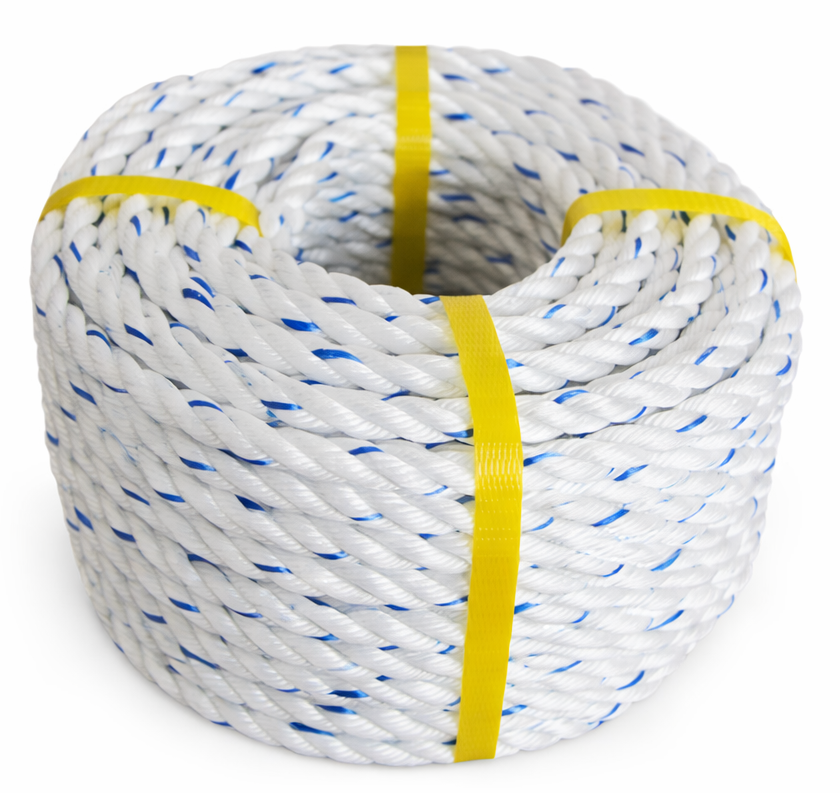
Polypropylene (PP) Rope
Polypropylene (PP) rope is strong, lightweight, and water-resistant with UV protection, making it ideal for marine, agriculture, construction, and industrial use.
Great Polymers is a trusted manufacturer of Polypropylene (PP) Rope, delivering high-quality, durable, and cost-effective rope solutions for diverse industries. Our PP rope is known for its high strength, lightweight structure, and excellent water resistance, making it perfect for marine, agriculture, construction, and industrial applications. Engineered with UV resistance and superior flexibility, this polypropylene rope ensures long service life, strong performance, and reliable handling even in demanding working conditions.
Conclusion
Polypropylene rope is a versatile, durable, and cost-effective solution for a wide range of applications. Its lightweight nature, weather resistance, and ability to float make it especially valuable in marine, agricultural, and outdoor environments.
Whether you’re securing cargo, working on a construction site, or managing fishing operations, polypropylene rope offers dependable performance with minimal maintenance.
By understanding its properties and choosing the right type, you can ensure maximum efficiency and long-lasting use for your specific needs.