Choosing High-Quality PE Fishing Twine: The Ultimate Buyer’s Guide
Polypropylene rope is one of the most commonly used synthetic ropes across industries, including marine, agriculture, construction, and everyday household applications.
What Is PE Fishing Twine?
PE fishing twine is made from synthetic polyethylene polymers. These materials are twisted or braided into fine strands that are both lightweight and strong. The unique construction of PE Fishing Twine allows it to provide exceptional tensile strength while remaining thin enough for long-distance casting or heavy-duty net construction. Unlike natural fiber lines, PE fishing twine resists water absorption, mold, and rotting, making it suitable for harsh saltwater or freshwater environments.
Modern PE Fishing Twine is available in various forms, including monofilament line (a single continuous strand) and braided fishing line (multiple strands woven together), each offering distinct advantages depending on the intended use.
Why Quality Matters
Using low-quality fishing twine may seem cost-effective initially, but it often leads to serious issues such as:
- Frequent net damage
- Reduced fishing efficiency
- Increased maintenance costs
- Safety risks in tough sea conditions
On the other hand, high-quality PE fishing twine provides:
- High tensile strength
- Strong and secure knot performance
- UV resistance
- Long-lasting durability in saltwater
Investing in premium-quality twine ultimately reduces long-term costs and improves operational performance.
Key Factors to Consider When Choosing PE Fishing Twine
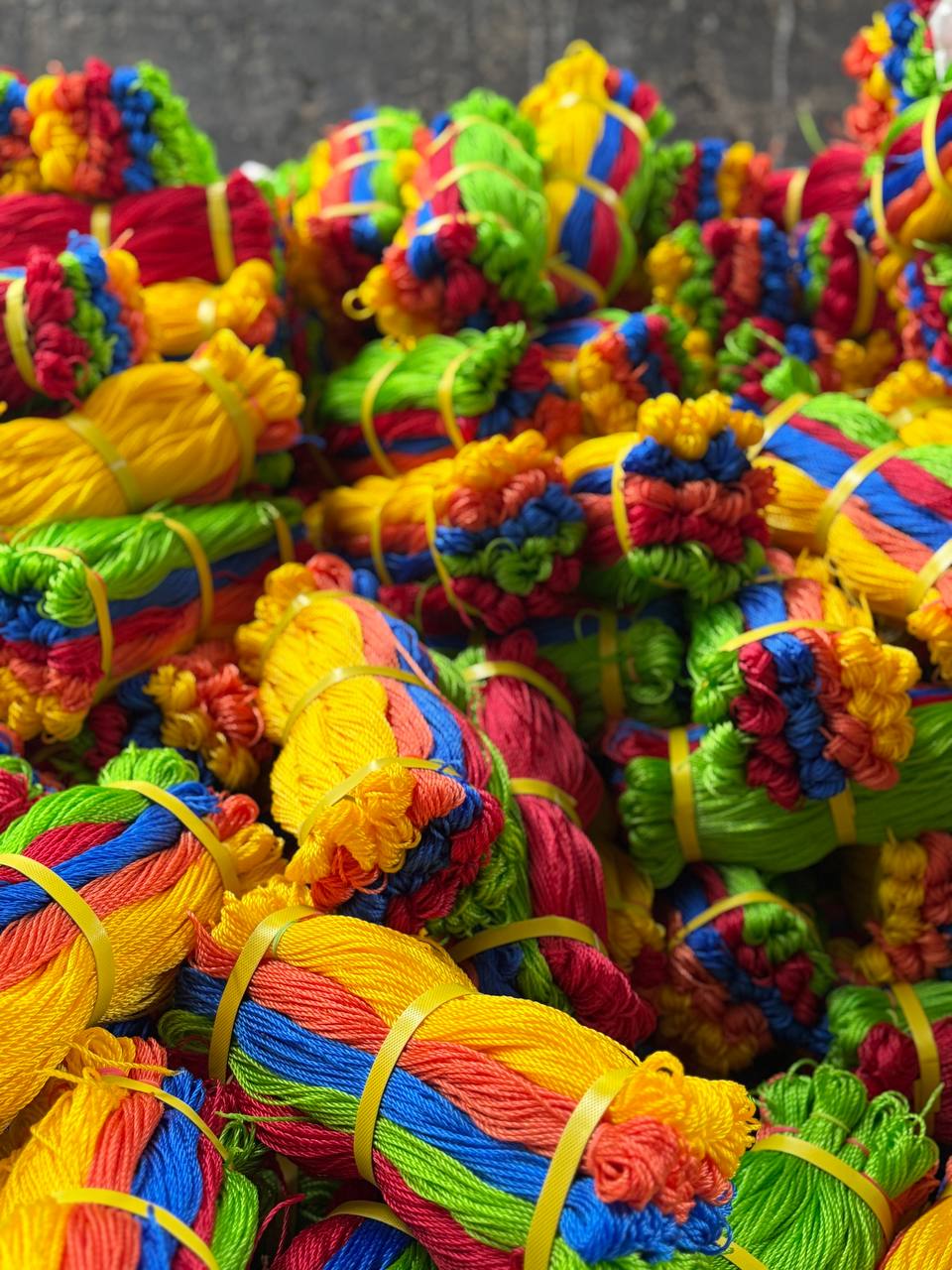
1. Lightweight and Flexible
One of the most important features of PE fishing twine is its lightweight construction. This makes it easier to cast, handle, and reel in fish, especially during delicate fishing techniques such as fly fishing. Despite its thin diameter, high-quality PE twine delivers remarkable strength.
2. Water-Resistant and Weatherproof
PE twine does not absorb water and remains strong even after prolonged exposure to wet conditions. Its resistance to moisture, mold, mildew, and chemicals ensures reliable performance in both freshwater and saltwater environments.
3. Superior Strength-to-Diameter Ratio
Whether you choose braided or monofilament construction, PE fishing twine provides high tensile strength without unnecessary bulk. This allows anglers to catch larger fish with minimal line diameter, improving casting distance and reducing visibility in water.
4. Abrasion Resistance
Braided PE twine is highly resistant to abrasion caused by rocks, boat edges, or fishing nets. This feature is particularly important for commercial fishing operations or when fishing in rocky or reef-filled waters.
5. Cost-Effective and Accessible
Compared to specialized fishing lines, high-quality PE fishing twine offers a perfect balance of affordability and performance. It is widely available in various diameters, lengths, and constructions, making it suitable for both hobbyists and professionals.
Types of PE Fishing Twine
Monofilament Line
- Single continuous strand
- Lightweight and flexible
- Best for delicate or long-distance casting
- Ideal for small to medium-sized fish
Braided Fishing Line
- Multiple strands woven together
- Superior strength and durability
- Suitable for heavy-duty nets, traps, or large fish
- Low stretch, which improves sensitivity
Invalid YouTube URL
How to Choose the Right PE Fishing Twine
Selecting the best PE fishing twine depends on several factors:
- Diameter: Thicker twine supports heavier loads but may reduce flexibility.
- Length: Ensure sufficient length to avoid joins, especially for nets or longline setups.
- Construction: Monofilament for lightweight tasks; braided for strength and durability.
- Load Requirements: Always check the tensile strength and match it to the fish size or net capacity.
- Environmental Conditions: UV-stabilized twine is recommended for prolonged sun exposure.
- Fishing Type: Fly fishing, angling, commercial netting, or aquaculture applications may require different constructions and strengths.
Maintenance Tips for PE Fishing Twine
Even high-quality PE fishing twine lasts longer with proper care:
- Store in a cool, dry location
- Avoid prolonged sunlight exposure
- Rinse with freshwater after saltwater use
- Inspect regularly for frays or knots
- Avoid dragging the line over sharp or rough surfaces
Advantages of PE Fishing Twine
- Lightweight and easy to handle
- Water-resistant and durable
- Cost-effective and widely available
- Multiple construction options for strength and flexibility
- Low maintenance and long-lasting
Limitations:
- Less UV resistance if not stabilized
- Not ideal for extreme abrasion without braided construction
- Lower elasticity compared to nylon lines
Everyday Applications of PE Fishing Twine
Commercial Fishing: Net repairing, net handling, and longlines
Recreational Fishing: Angling lines, fly fishing, lures, and tackle
Aquaculture: Fish cage supports and hatchery netting
Industrial and Household: Lightweight bundling, craft projects, and temporary bindings
Conclusion
Choosing the right PE fishing twine can significantly improve your fishing experience, whether you’re an angler, commercial fisherman, or aquaculture operator. Its combination of lightweight construction, strength, flexibility, and water resistance makes it a versatile and cost-effective choice. By understanding the types, construction, and proper maintenance, you can ensure long-lasting performance and maximum efficiency on every fishing trip.
The Great Polymers
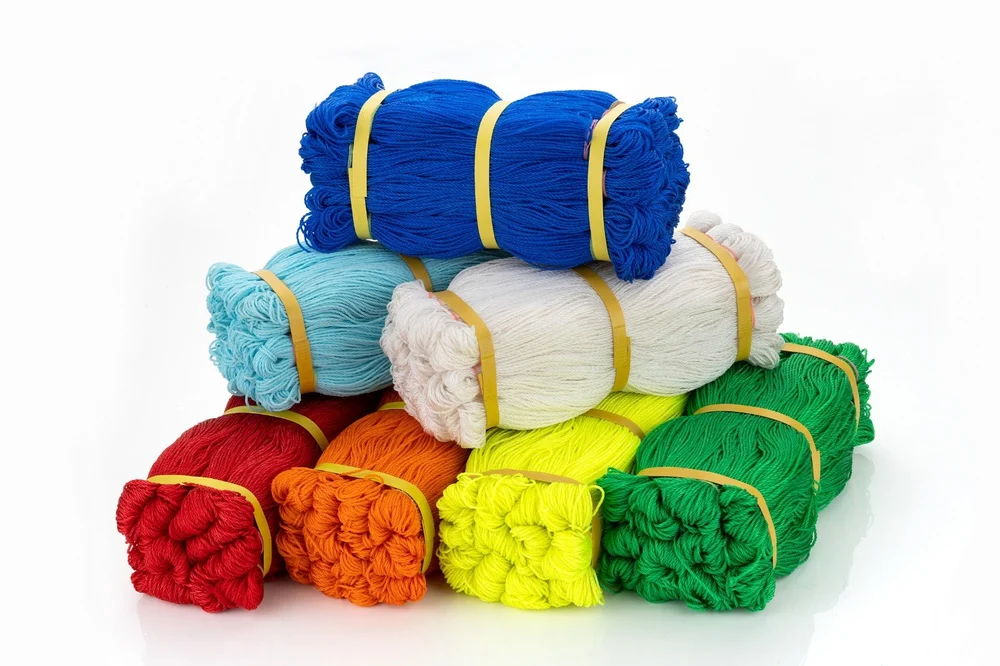
PE Fishing twine
High-strength PE Fishing Twine for nets, cages, and aquaculture. Durable, lightweight, UV & water-resistant for reliable marine and inland use.
PE Fishing Twine by The Great Polymers is manufactured from high-quality polyethylene raw material to ensure superior strength, durability, and long-lasting performance. As a leading manufacturer and exporter of PE fishing twine, we supply reliable twine for fishing nets, aquaculture, and marine applications worldwide. Our twine offers uniform thickness, strong knot strength, smooth finishing, and easy net handling for professional net making.