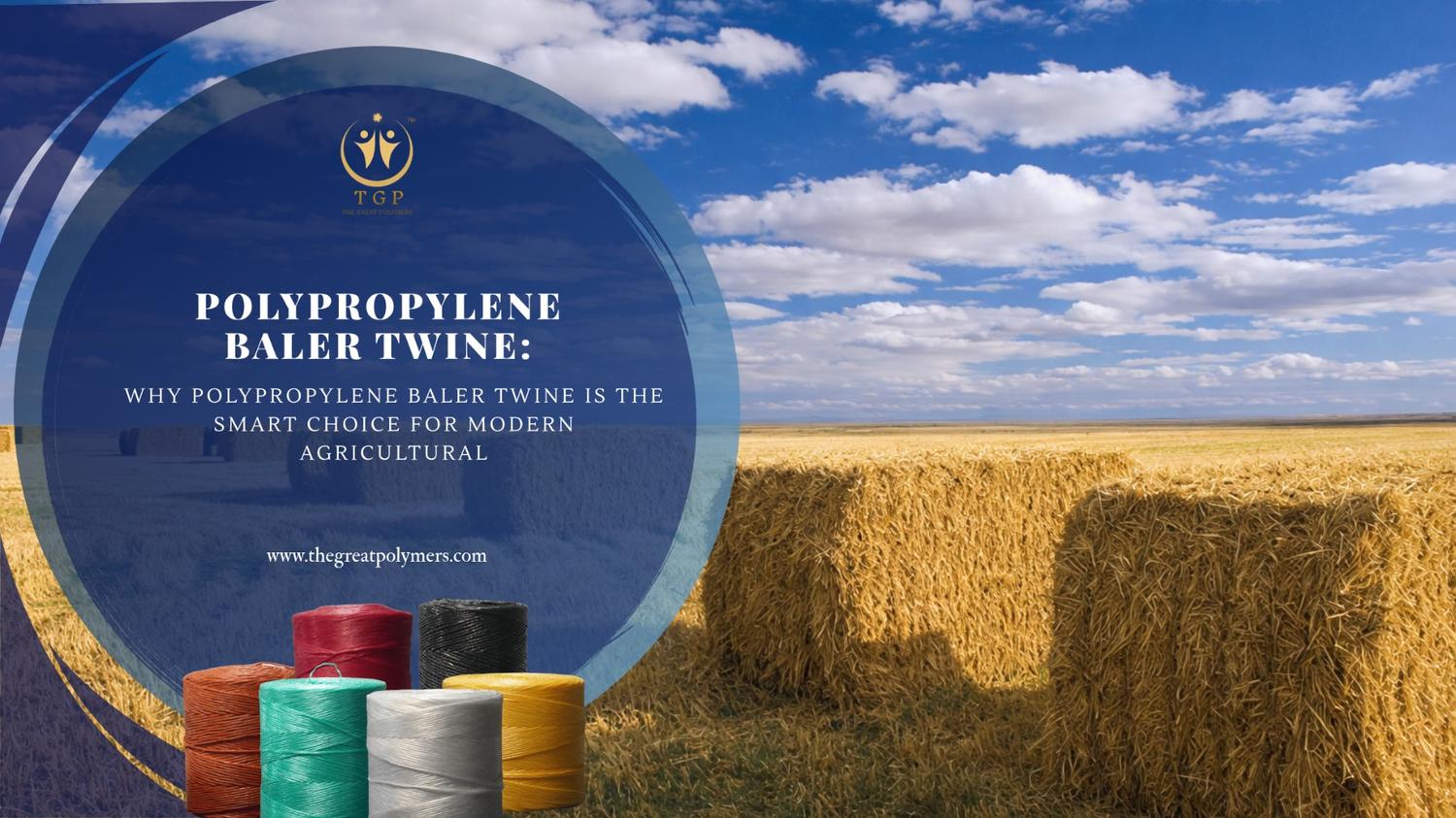
Why Polypropylene Baler Twine Is the Smart Choice for Modern Agricultural
Durable polypropylene baler twine for strong, weather-resistant bundling in agriculture, recycling, and packaging use.
Why Polypropylene Baler Twine Is the Smart Choice for Modern Agricultural Packaging
In today’s fast-evolving agricultural and industrial sectors, efficiency, durability, and cost-effectiveness are key factors in selecting the right materials. One product that continues to stand out in packaging and bundling applications is polypropylene baler twine. Known for its strength, lightweight nature, and versatility, polypropylene (PP) baler twine has become an essential solution for farmers, recyclers, and packaging industries alike.
What Is Polypropylene Baler Twine?
Polypropylene baler twine is a type of twisted rope made from high-quality polypropylene fibers. It is specifically designed for use in baling machines to tie together materials such as hay, straw, paper, cardboard, and other recyclables. Manufactured through advanced twisting techniques, this twine ensures uniform strength and consistent performance.
Unlike traditional natural fiber twines, polypropylene twine is resistant to moisture, chemicals, and environmental wear, making it a more reliable and long-lasting option.
Key Features of Polypropylene Baler Twine
1. High Tensile Strength
One of the most important characteristics of polypropylene baler twine is its excellent tensile strength. It can withstand significant pressure during the baling process without breaking, ensuring secure and tight bundles.
2. Lightweight and Flexible
Polypropylene is a lightweight material, making the twine easy to handle and transport. Its flexibility allows smooth operation in baling machines, reducing the risk of machine jams or interruptions.
3. Weather and Moisture Resistance
Unlike natural fibers, polypropylene does not absorb water. This makes the twine resistant to rot, mildew, and degradation, even when exposed to harsh weather conditions.
4. UV Stabilization
Many polypropylene baler twines are treated with UV stabilizers, enhancing their durability when exposed to sunlight for extended periods. This is especially important for outdoor storage of bales.
5. Cost-Effective Solution
Due to its durability and long lifespan, polypropylene baler twine offers excellent value for money. It reduces the need for frequent replacements, making it a cost-efficient choice for bulk users.
Applications of Polypropylene Baler Twine
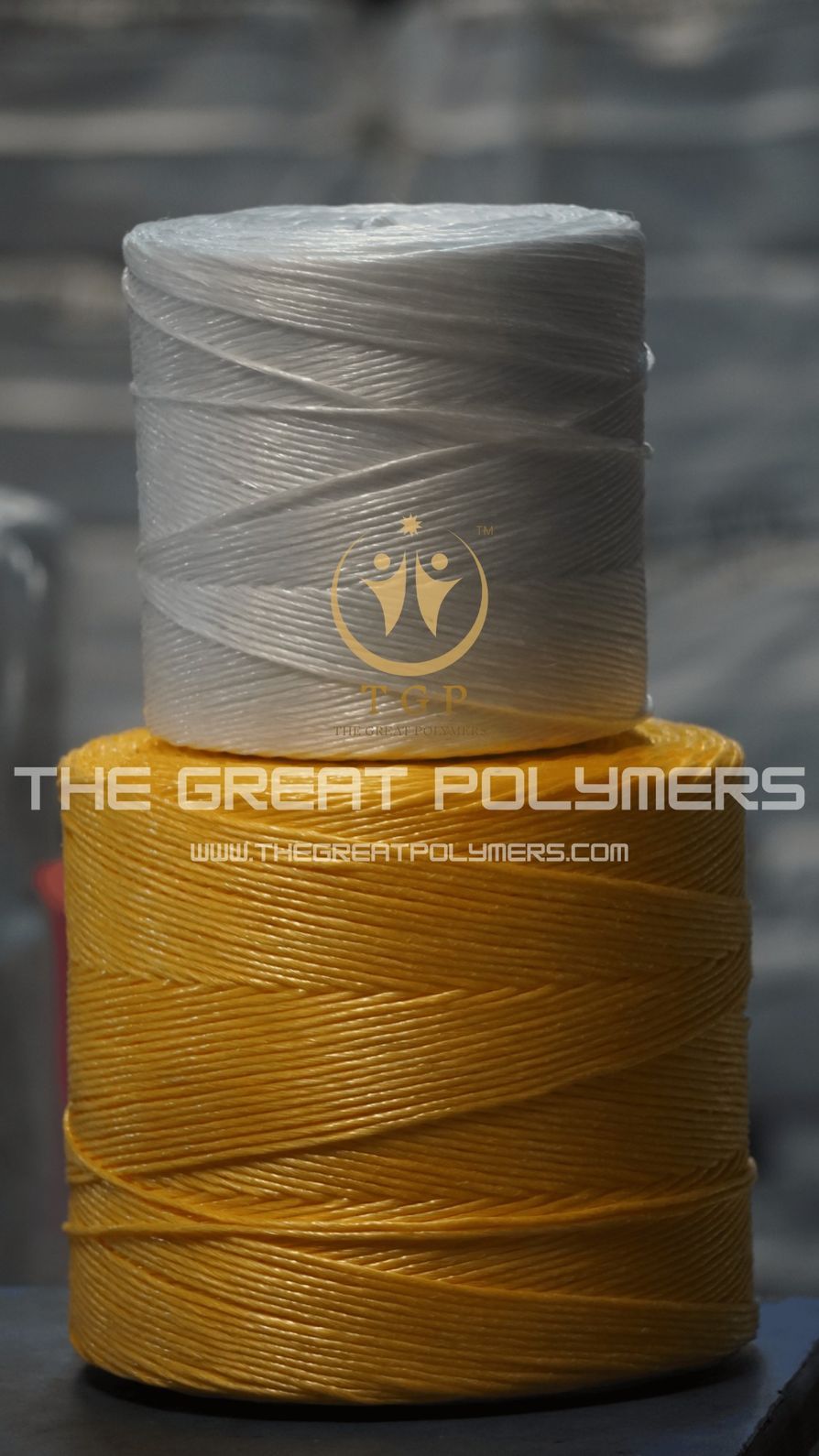
Polypropylene baler twine is widely used across various industries:
- Agriculture: Ideal for baling hay, straw, and silage.
- Recycling Industry: Used to bundle paper, cardboard, and plastic waste.
- Packaging Sector: Suitable for securing lightweight to medium-weight packages.
- Industrial Use: Helpful in general-purpose tying and bundling tasks.
Its adaptability makes it a preferred choice for both small-scale and large-scale operations.
Benefits Over Other Materials
Compared to other types of twine such as sisal or jute, polypropylene baler twine offers several advantages:
- Longer lifespan
- Better resistance to environmental factors
- Higher strength-to-weight ratio
- Lower overall cost
- Minimal maintenance
These benefits make it a superior alternative for modern applications.
Invalid YouTube URL
Choosing the Right Polypropylene Baler Twine
When selecting polypropylene baler twine, consider the following factors:
- Tensile Strength Requirements: Based on the weight of the material being baled
- Length and Thickness: Depending on machine compatibility
- UV Resistance: Important for outdoor usage
- Knot Strength: Ensures secure tying without slippage
Working with a reliable manufacturer ensures that you receive a product tailored to your specific needs.
Environmental Considerations
Polypropylene is a recyclable material, which makes baler twine an environmentally responsible option when disposed of properly. Many industries are now adopting recycling programs to minimize waste and promote sustainability.
Why Choose a Trusted Rope Manufacturer?
Partnering with an experienced rope manufacturing company ensures:
- Consistent product quality
- Customization options
- Competitive pricing
- Timely delivery
- Technical support
With expertise in twisted nylon rope, polypropylene rope, and polyethylene rope, a trusted manufacturer can provide solutions that meet diverse industrial requirements.
Conclusion
Polypropylene baler twine has revolutionized the way materials are bundled and stored across industries. Its strength, durability, and resistance to environmental factors make it a reliable and cost-effective choice. Whether you are in agriculture, recycling, or packaging, investing in high-quality polypropylene baler twine can significantly improve efficiency and reduce operational costs.
As demand continues to grow, choosing the right manufacturing partner becomes crucial. By focusing on quality and innovation, your rope manufacturing company can deliver products that not only meet but exceed industry expectations.
The Great Polymers
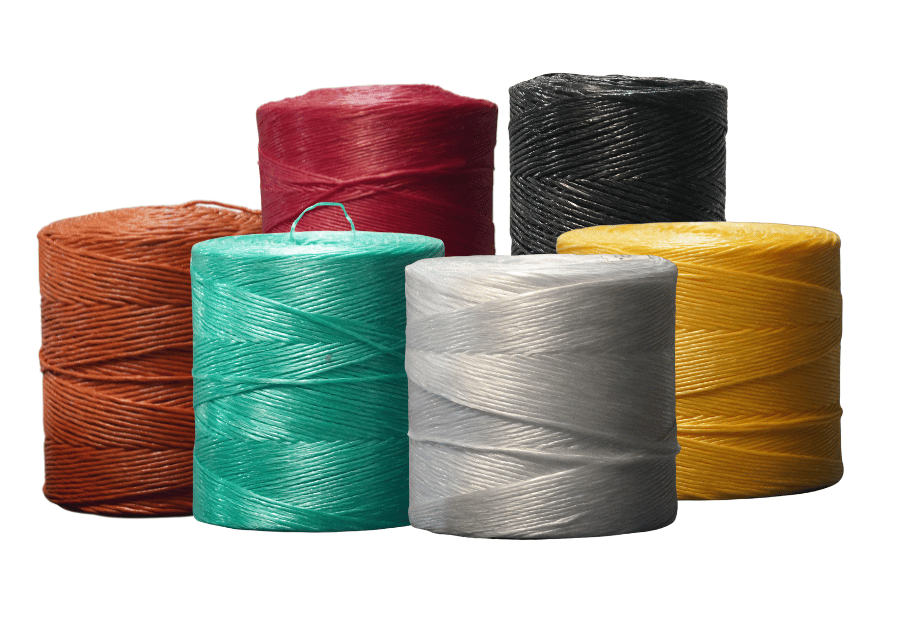
Polypropylene (PP) Baler Twine
High strength polypropylene baler twine for agriculture, farming, hay baling, crop bundling, packaging, UV resistant, durable, lightweight, reliable binding solution.
The Great Polymers polypropylene baler twine is widely used in agriculture, horticulture, packaging, and farming applications. Our high-strength agricultural twine is ideal for crop baling, hay bundling, packaging, and farm use, offering durability, reliability, and secure binding for efficient agricultural and industrial operations